The Preservation Pipeline
From legal community consent and proper field permits to final cloud data ingestion.
Permits & Authorization
We submit official field application letters to regional administrative and government authorities to clear regulatory requirements, ensure security, and establish legal pathways before entering source communities.
Ethnographic Fieldwork
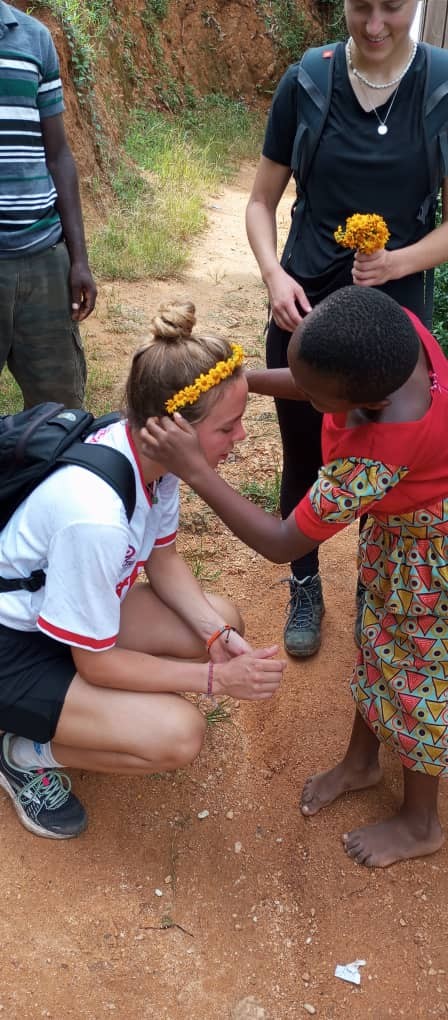
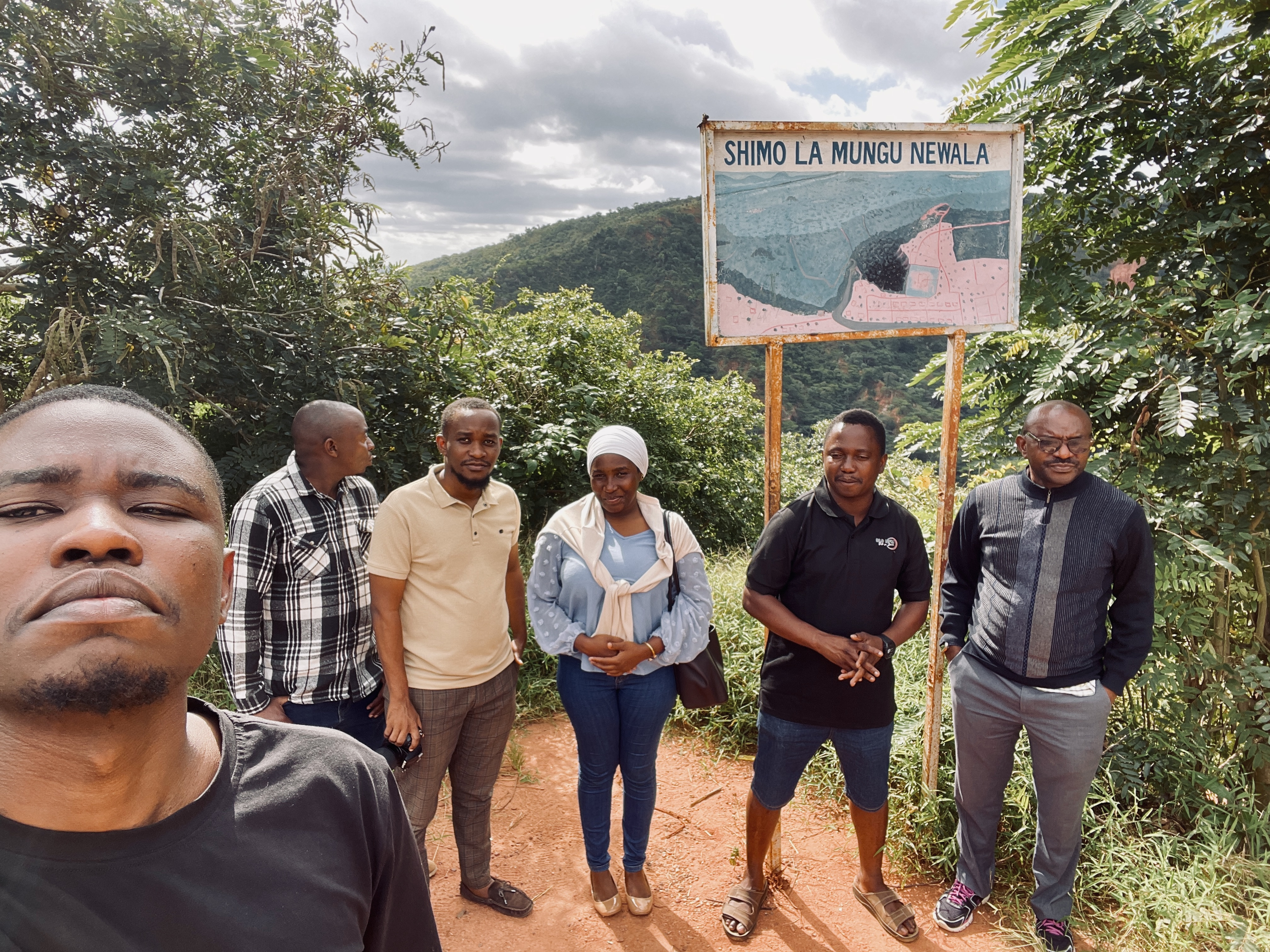
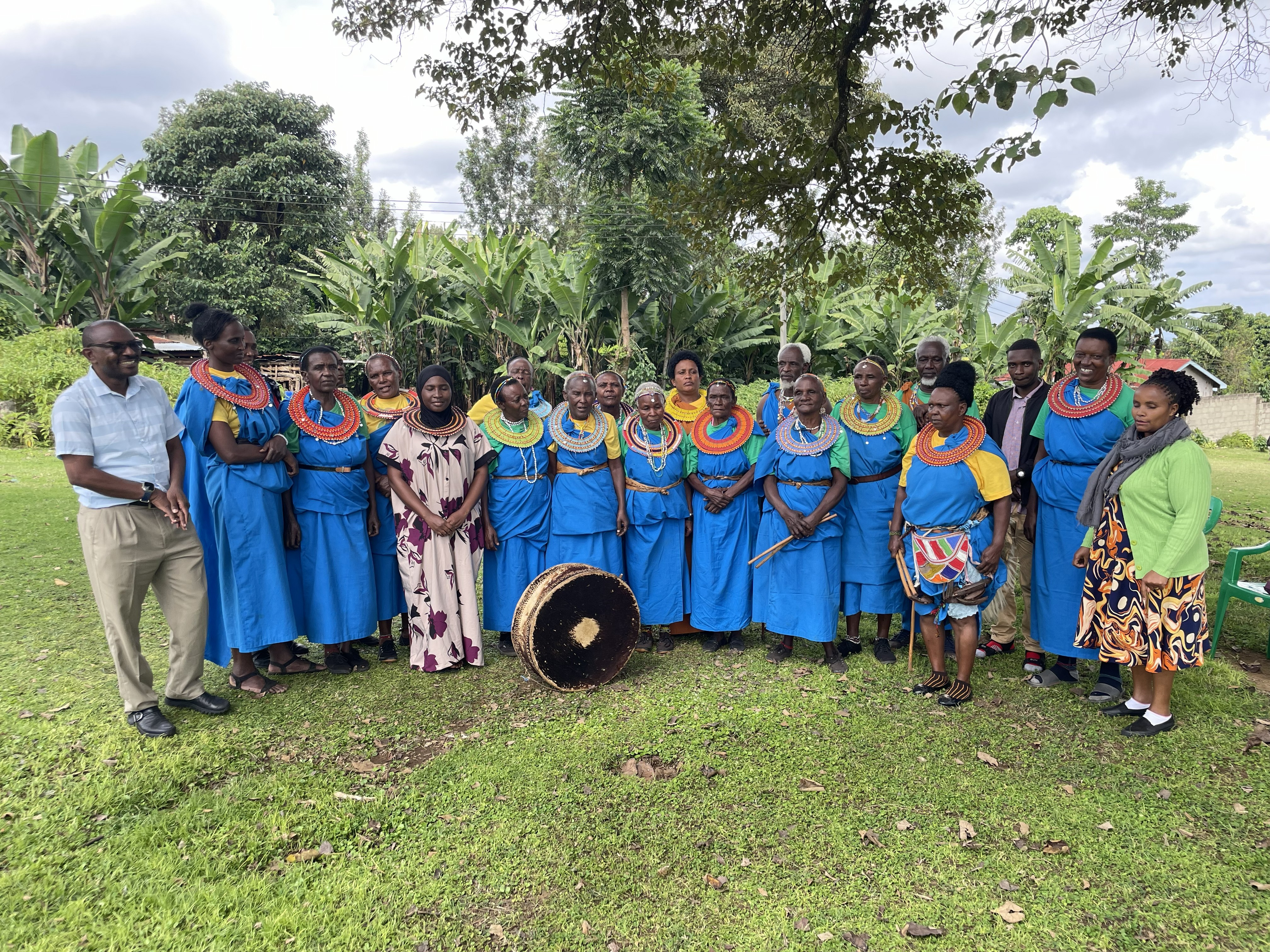
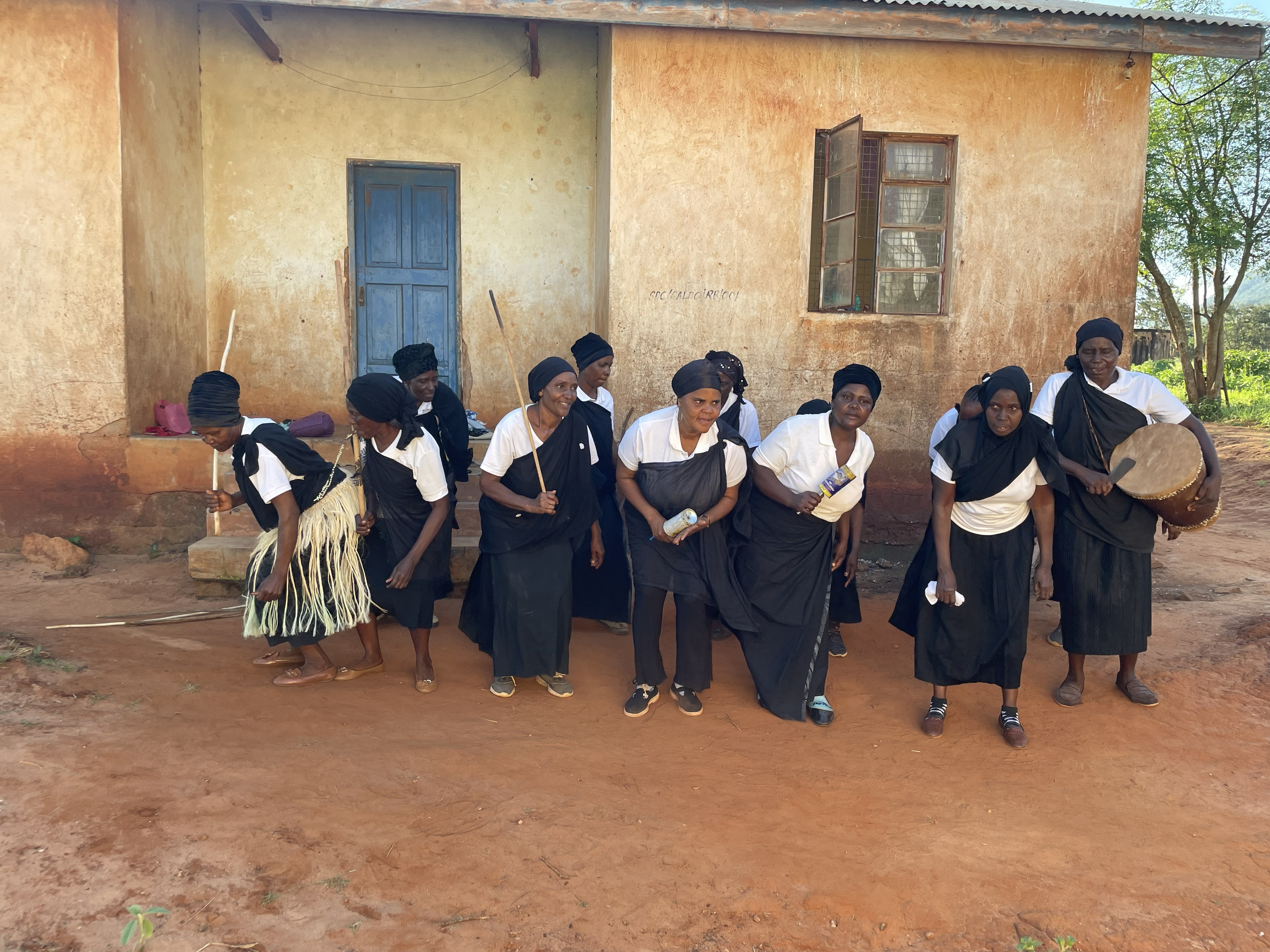
Under our OUT academic partnership, trained student teams log high-fidelity audio, map spatial historical landscapes, and capture oral traditions under strict ethical guidelines.
Technical Archive Ingestion
Data goes through detailed system verification, network diagnostic testing, and server optimization before being stored securely on our decentralized cloud platforms.
Completed Regional Archives
Linguistic mapping, oral databases, and system logs are fully secured for these regions.
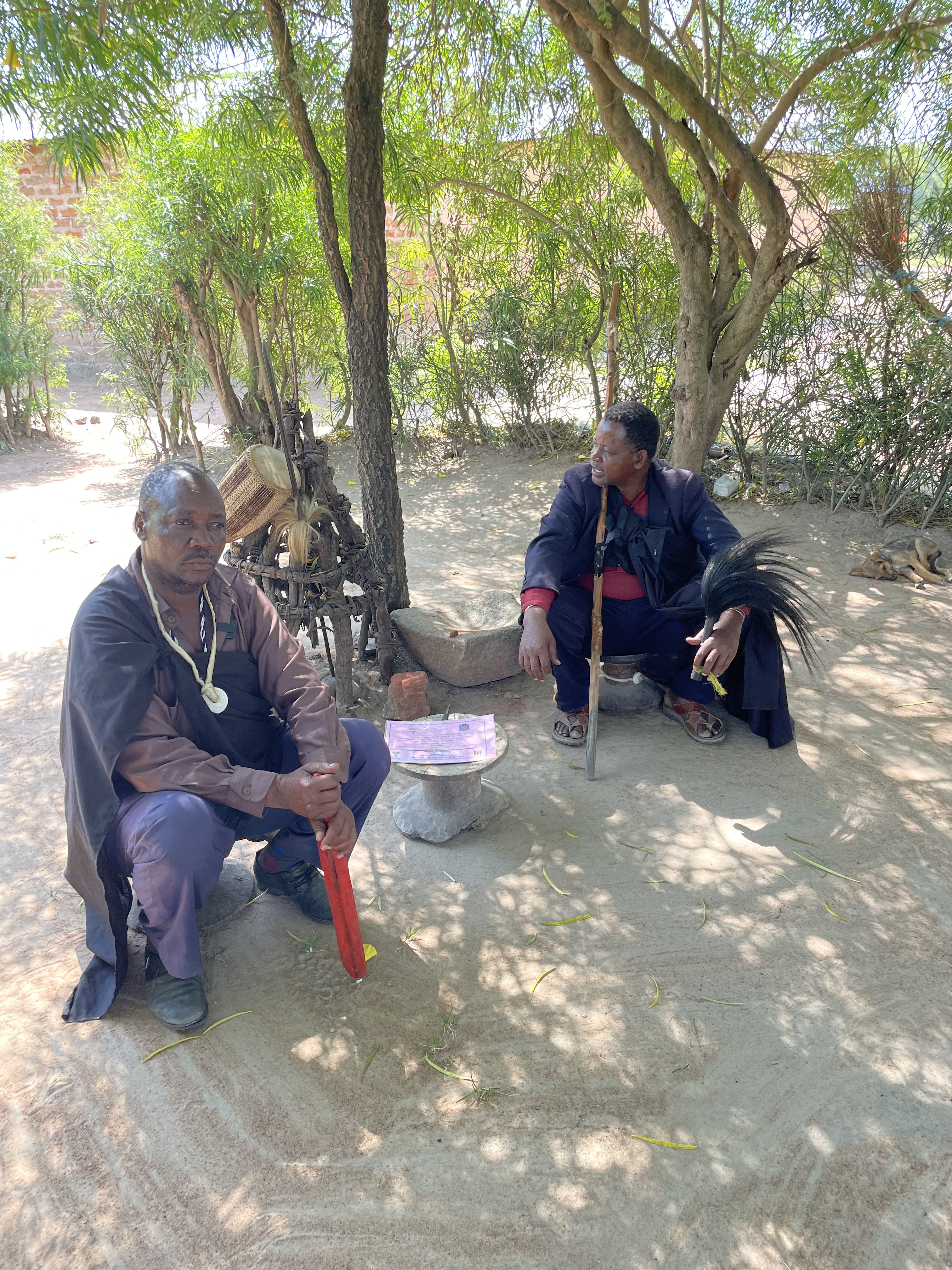
2026 Ongoing Field Expansion
New target operational clusters under deployment.
Field parameters are now actively executing across the following priority areas to secure fading regional lineages and community oral history profiles:
Data Security & Archiving Standards
Preservation without robust technology introduces a major vulnerability: physical media decay. To mitigate this risk, SHF implements rigorous system diagnostics, metadata schemas, and technical protocols across our storage hardware.
System Diagnostics: Every entry node runs automated system health and file integrity checks to prevent data corruption during transit.
Metadata Structuring: Oral history recordings are systematically indexed by location coordinates, linguistic lineage, time stamps, and community origins.
Decentralized Redundancy: Master audio files and mappings are instantly duplicated across secure on-premise hardware arrays and encrypted cloud servers to guarantee decades of safe survival.